
In modern industrial production, industrial boilers are not only essential equipment for providing thermal energy, but also a key factor affecting a factory’s operating costs and production continuity. However, many companies often fall into the trap of choosing a boiler that is either “choose lar
View more+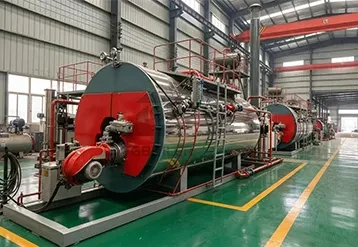
I. TGBOILER: China’s Leading Direct Manufacturer and Supplier of Industrial BoilersTGBOILER is a professional Class A boiler manufacturer headquartered in China, with a factory located in Zhoukou City, Henan Province, covering a floor area of over 211,300 square meters.The company specializes in th
View more+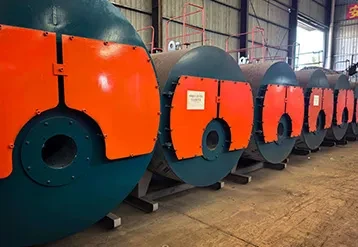
In the dairy industry, various production stages—including the production of pure milk, fresh milk, and powdered milk products—require high-temperature steam for manufacturing and processing, and boilers are the core equipment for providing high-quality steam. So, how should dairy companies choose
View more+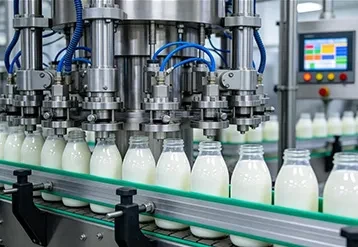
In rice processing plants, steam boilers are essential equipment and serve as the core of the entire production system’s stable operation. They provide a steady, uninterrupted supply of steam for processes such as parboiled rice production, rice cooking, drying, and heating. Therefore, steam boiler
View more+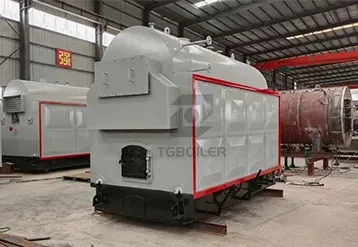
Discover how to choose the right steam boiler for your rice mill. Learn about rice husk boilers, capacity calculation, and fuel-saving tips for parboiled rice processing.
View more+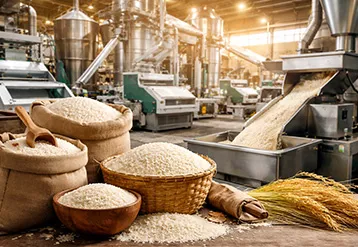
Comparing Vertical vs. Horizontal Biomass Boilers for Your Plant. Discover key differences in capacity, footprint, fuel flexibility, and ideal industrial applications.
View more+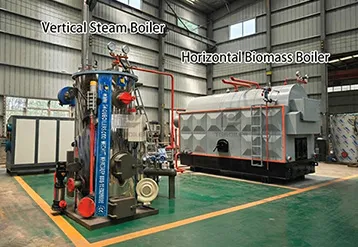
Tel/Fax: 0086 371 63311291
WhatsApp/WeChat: 0086 13598899826
Email:info@taiguoboilers.com
Add: No.6 Zone, North Side of Konggang No.6 Road, Airport Economy Zone, Zhengzhou City, Henan Province, China




 0086 13598899826
 0086 13598899826
 info@taiguoboilers.com
