
Time: 2026-10-15 Click: 3 seen
In textile manufacturing, steam boilers serve as the core heat source and power backbone for industrial production; even slight fluctuations in steam pressure can lead to color variations in fabrics and downtime losses. Faced with the dual challenges of energy conservation and environmental protection, a highly efficient and reliable supply of thermal energy has become key to helping enterprises reduce costs and improve efficiency. This article will provide an in-depth analysis of the core applications, specific requirements, and selection advantages of industrial boilers in the textile industry, helping factories achieve efficient and eco-friendly production.
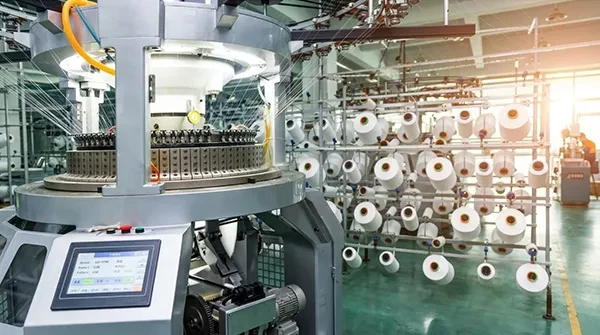
• Printing and Dyeing: During the dyeing and printing processes, fabrics require large amounts of high-temperature, stable steam to ensure dyes dissolve fully, disperse effectively, and adhere uniformly to the fibers or fabric.
• Drying and Setting: After washing or dyeing, fabrics must undergo dehydration and setting using equipment such as dryers and calendering machines; steam boilers provide stable and efficient thermal energy support.
• Sizing: In the sizing process prior to weaving, steam is used to heat, adjust, and dry the sizing solution, ensuring the warp threads possess good abrasion resistance and strength.
• Raw Material Softening and Melting: High-temperature, high-pressure steam is used to soften, scour, or melt certain specialty fiber raw materials to meet the requirements of specific textile processes.
• Fabric Washing: Thermal energy or hot water generated by boilers is used for desizing, scouring, and washing fabrics, removing contaminants while preserving the fabric’s color and quality.
• Workshop Humidification and Humidity Control: Steam is used to regulate air humidity in production workshops, preventing issues such as static electricity, yarn breaks, or fabric pilling caused by excessively dry environments.
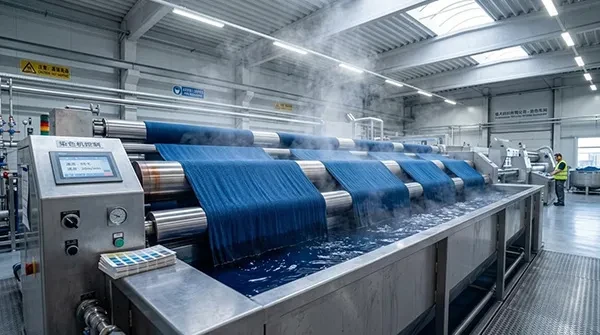
• High Steam Quality Requirements: Steam temperature, pressure, and dryness directly affect dyeing uniformity and the quality of finished products after drying.
• High and Continuous Steam Load: Textile production is continuous, resulting in high steam demand per unit of time; this requires boilers with strong load adjustment capabilities and stable operation.
• Energy Efficiency and Environmental Protection: As the textile industry is energy-intensive, companies typically prefer boilers with high thermal efficiency, excellent fuel utilization, and low emissions (such as clean-energy natural gas boilers or biomass boilers) to reduce operating costs and meet environmental regulations.
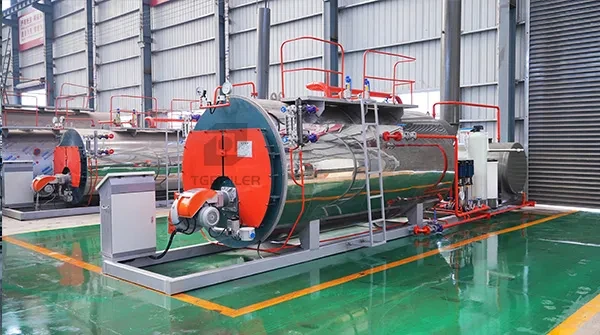
• Increased Productivity: Boilers accelerate the weaving and dyeing processes, shorten drying times, stabilize product quality, improve factory efficiency, meet market demand, and boost corporate profits.
• Cost Optimization: Energy-efficient boilers reduce labor costs through automated operation, helping enterprises save on energy and expenses while enhancing the price competitiveness of their products.
• Environmental Protection and Sustainable Development: Boilers that burn clean fuels (such as biomass) reduce pollutant emissions, protect the environment, and contribute to the sustainable development of a green economy.
High-efficiency, stable industrial boilers not only ensure the smooth operation of textile production but are also critical equipment for enterprises to reduce energy consumption costs and achieve a green, low-carbon transition. For textile enterprises seeking efficiency, stability, and reliability, selecting a highly tailored thermal energy solution is crucial.
As a professional industrial boiler manufacturer and service provider, we possess extensive experience in heating solutions for the textile industry. If you are looking to improve steam efficiency at your textile mill or planning a new project, please feel free to contact our technical team at any time to receive customized boiler selection plans and quotes tailored to the textile industry!
Tel/Fax: 0086 371 63311291
WhatsApp/WeChat: 0086 13598899826
Email:info@taiguoboilers.com
Add: No.6 Zone, North Side of Konggang No.6 Road, Airport Economy Zone, Zhengzhou City, Henan Province, China




 0086 13598899826
 0086 13598899826
 info@taiguoboilers.com
