
Time: 2026-09-17 Click: 3 seen
In the industrial sector, steam is widely used for heating and drying. After releasing heat, steam condenses into high-temperature condensate (typically at temperatures above 100°C). If this heat and water are discharged, it not only wastes water resources and thermal energy but also causes thermal pollution to the environment. Therefore, a condensate recovery unit is a key piece of equipment that collects this water and heat and returns them to the boiler room for reuse.
A boiler condensate recovery unit (also known as a condensate recovery system or condensate recovery machine) is an energy-efficient and environmentally friendly piece of equipment used in industrial steam systems to collect and reuse steam that has been converted into high-temperature condensate.
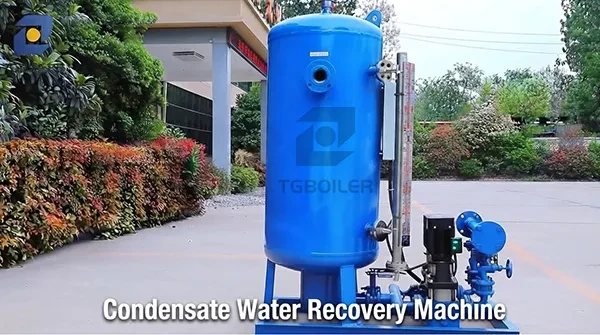
The primary operating principle of a condensate recovery unit involves using a closed-loop system to collect high-temperature condensate generated by heat-using equipment, along with the accompanying flash steam, separate the steam from the water, pressurize and transport the mixture, and recycle it for reuse.
1. Collection and Drainage: After steam is used by heating equipment, high-temperature condensate is produced. This condensate flows through a steam trap into a collection tank or distribution network.
2. Steam-Liquid Separation: High-temperature condensate enters the tank for steam-liquid separation. The separated flash steam (secondary steam) and liquid are then appropriately recovered or utilized by internal mechanisms.
3. Cavitation Prevention: Recovered condensate is extremely hot, and ordinary water pumps are highly prone to cavitation when drawing high-temperature water (which can cause pump vibration, failure to deliver water, and impeller damage). Therefore, the recovery unit typically incorporates special designs (such as cavitation elimination devices, jet pressurization principles, or specialized high-temperature-resistant water pumps) to maintain the high-temperature water in a slightly supercooled state, ensuring smooth pumping.
4. Pressurized Delivery: Using an internal high-temperature water pump or a pneumatic/electric pressurization device, the condensate is pressurized and returned to the boiler feedwater system (such as the deaerator or boiler drum), enabling its recycling.
1. Energy and Fuel Savings: Since condensate has a high temperature, recycling it and injecting it into the boiler significantly raises the boiler feedwater temperature, thereby reducing fuel consumption.
2. Improved Thermal Efficiency: When the feedwater temperature approaches the temperature of the water inside the furnace, steam pressure becomes more stable, effectively improving the boiler’s thermal efficiency and evaporation rate.
3. Water Resource Recycling: Condensate is essentially pure distilled water; its recovery and reuse can significantly reduce industrial makeup water requirements and water treatment costs.
4. Reduced Environmental Pollution: Lowering fuel consumption correspondingly reduces emissions of carbon dioxide and other exhaust gases. Additionally, it eliminates the hot steam generated by condensate discharge, thereby improving the working environment.
5. Equipment Protection: Raising the boiler feedwater temperature reduces thermal stress and extends the boiler’s service life.
Condensate recovery systems are essential equipment for improving boiler efficiency, conserving energy, and extending the boiler’s service life.
For more information about Condensate Water Recovery System, please contact:
Email: info@taiguoboilers.com
WhatsApp: +86 13598899826
Tel/Fax: + 86-371-6331 1291
WhatsApp/WeChat: 8613598899826
Email:info@taiguoboilers.com
Add: 277 Boxue Road, Zhengzhou City, Henan Province, China




 8613598899826
 8613598899826
 info@taiguoboilers.com
