
Time: 2026-01-29 Click: 1024 seen
Steam boilers play a critical role in production, processing, and heating applications. When water carryover occurs in the system, it reduces boiler efficiency and may even damage the boiler and other equipment.
Water carryover refers to steam containing water droplets and particles, typically caused by improper boiler operation or equipment issues.
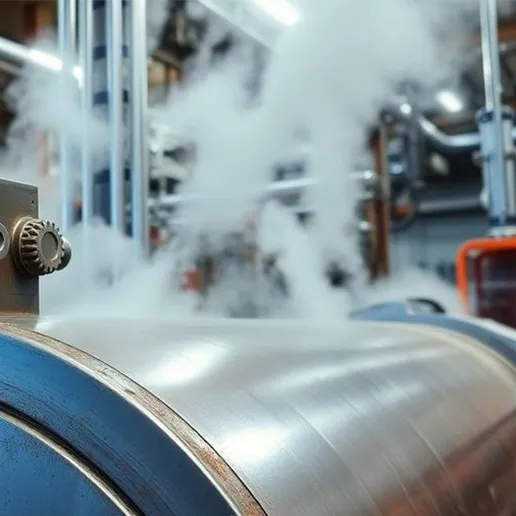
Mechanical Causes (High Speed/High Level)
-Excessive Boiler Water Level: Elevated water levels reduce steam space, increasing steam velocity. Insufficient space above the water surface prevents small droplets from falling back into the boiler water before
being carried over.
-Load Surge: A sudden, significant increase in boiler load causes rapid pressure drop. This reduces internal water pressure, triggering violent boiling (“steam-water co-boiling”) that carries away large quantities
of water droplets.
-Steam-Water Separator Failure/Boiler Design Limitations: If the boiler's steam-water separator is damaged or poorly designed, it cannot effectively separate steam from water.
Chemical Causes (Foaming/Contamination)
-Excessive Boiler Water Concentration: Elevated levels of suspended solids, alkalinity, or salts in boiler water cause foaming and increase bubble membrane strength. When bubbles rupture near the water level,
numerous fine droplets are entrained by steam.
-Contaminants: Oils, greases, and other organic substances in boiler water contribute to foaming and entrainment.
-Poor water quality: Substandard boiler water with high impurity levels exacerbates entrainment.
Water hammer: Dangerous banging noises in pipes caused by water impact.
Reduced Efficiency: Contaminated steam clogs heat exchangers, turbines, and control valves.
System Damage: Corrosion and scaling in steam distribution piping.
Regular Blowdown: Perform surface blowdown to reduce alkalinity and TDS.
Maintain Proper Water Level: Ensure water level does not rise excessively.
Water Treatment: Treat feedwater to remove oils and contaminants.
Tel/Fax: 0086 371 63311291
WhatsApp/WeChat: 0086 13598899826
Email:info@taiguoboilers.com
Add: No.6 Zone, North Side of Konggang No.6 Road, Airport Economy Zone, Zhengzhou City, Henan Province, China




 0086 13598899826
 0086 13598899826
 info@taiguoboilers.com
