
Time: 2026-07-10 Click: 156 seen
Industrial oil-fired boilers are highly efficient and reliable heating systems widely used in industries such as food processing, textiles, manufacturing, and chemicals. However, during long-term operation, component wear, improper maintenance, or fuel quality issues can eventually lead to sudden equipment failures.
Gaining a better understanding of common oil-fired boiler problems and quickly mastering troubleshooting methods can not only prevent boiler downtime but also extend the boiler’s service life.
Causes:
Carbon buildup on the ignition electrodes, excessive distance between electrodes, or improper gap;
Damaged ignition transformer; or the fuel valve is not open.
Solutions:
Clean carbon buildup from the ignition electrodes and adjust the electrode gap to 3–4 mm;
Check if the ignition transformer is burned out and replace it;
Check and repair the fuel line solenoid valve circuit.
Causes: Power supply disconnected, blown fuse, or thermal relay tripped.
Solutions: Check the power supply, fuse, and wiring; ensure the switch is in the correct position; check if the motor is seized; press the thermal relay reset button.
Causes:
The photoresistor/flame detector is dirty or damaged, preventing flame detection;
The pilot burner solenoid valve is clogged; the fuel supply is unstable.
Solution:
Remove the photoresistor and wipe it clean with a soft, clean cloth; if damaged, replace it immediately;
Disassemble and clean the solenoid valve and filter of the first fuel nozzle (pilot nozzle);
Inspect the fuel pump and pressure regulator to ensure stable fuel pressure.
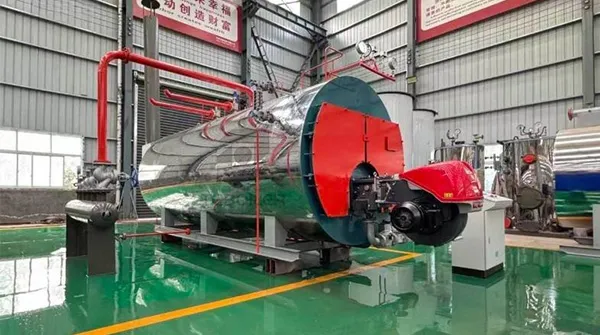
Causes: Worn or clogged nozzle; excessively high fuel viscosity (heavy fuel oil not sufficiently preheated); insufficient airflow through the air damper.
Solutions:
Clean or replace the atomizing nozzle to ensure thorough fuel atomization;
Check the fuel preheater temperature and adjust it to the specified viscosity;
Increase the air damper opening appropriately to optimize the air-fuel ratio and ensure complete fuel combustion.
Causes: Faulty thermostat sensor, set hysteresis too low, or air in the system piping.
Solutions: Inspect and replace the faulty thermostat; adjust the temperature setpoint range for boiler start-up and shutdown; open the system bleed valve to purge air from the piping
Cause: High levels of impurities in the fuel; the filter has not been cleaned after prolonged use.
Solution:
Periodically disassemble the filter to clean the mesh; replace the filter element if damaged;
Check the bottom of the fuel tank for excessive sediment and thoroughly clean the tank if necessary.
Causes:
The fuel pump shaft seal is aged, deteriorated, or damaged.
The fuel filter is clogged, causing the fuel pump to operate under excessive negative pressure (resulting in cavitation).
The use of low-quality or low-viscosity fuel has led to inadequate internal lubrication.
Solutions:
Replace the fuel pump shaft seal; replace the entire fuel pump assembly if necessary.
Regularly clean the fuel filter lines to ensure unobstructed fuel flow.
Ensure that the fuel used fully meets the technical viscosity requirements of the fuel pump.
Causes:
Excessive soot buildup on the heat transfer surface, resulting in reduced heat transfer efficiency;
or insufficient fuel calorific value;
burner power set too low, or nozzle size too small to meet load requirements.
Solutions:
Regularly clean ash buildup from the fire tubes and flue tubes to maintain efficient heat transfer;
Check fuel quality to ensure it meets the burner’s requirements;
Readjust burner parameters or replace the nozzle with one of the correct size.
Causes: Excessively hard feedwater; prolonged operation causes calcium and magnesium ions to crystallize and form scale on the heat transfer surfaces.
Solutions: Enhance water softening treatment and regularly test the hardness of the boiler feedwater; depending on the extent of scaling, perform chemical cleaning using professional descaling agents to prevent tube bursts.
Causes:
Dirt accumulation on the fan impeller causing dynamic imbalance, or worn fan bearings;
Unstable combustion in the furnace (flame pulsation);
Loose mounting bolts on the burner or auxiliary equipment.
Solutions:
Clean the fan blades and replace worn bearings if necessary;
Adjust combustion parameters (air-to-fuel ratio) to stabilize the furnace flame;
Inspect and tighten all loose structural components and mounting bolts.
Causes:
Scale or rust on the water level probe or float switch has caused it to send an erroneous signal to the controller.
The feedwater pump is malfunctioning or the feedwater line is blocked.
The blowdown valve is leaking, causing rapid and unintended loss of water from the boiler.
Solutions:
Disassemble and clean the water level probe or float chamber to remove scale and debris.
Inspect the feedwater pump, check valves, and electrical control circuits.
Inspect and repair or replace any leaking blowdown valves or drain valves.
Causes:
Severe scaling inside the boiler or excessively thick soot deposits on the heat transfer surfaces of the tubes, preventing effective heat absorption by the water.
The burner flame is too long, causing the high-temperature combustion zone to extend excessively backward.
Solutions:
Thoroughly clean the water side (descaling) and the flue gas side (ash removal).
Adjust the burner’s air supply and geometry to optimize flame length and shape.
Whether in food processing, textiles, or chemical manufacturing, industrial oil-fired boilers are the core equipment of production lines. Mastering the troubleshooting skills for these 12 common faults will not only save your team a significant amount of time but also protect the entire plant from the substantial financial losses caused by unplanned downtime.
At the same time, establishing and strictly enforcing daily, weekly, and monthly inspection checklists can prevent more than 90% of sudden failures, ensuring the stable, round-the-clock operation of the plant’s production lines.
Have you encountered stubborn malfunctions during actual operation that were not mentioned in this article? Or are you planning to introduce a more energy-efficient WNS series high-efficiency oil-fired boiler?
We welcome you to submit an inquiry directly to us. Let the technical experts at Henan Taiguo Boiler Manufacturing Co., Ltd. support you and help your enterprise achieve safe, clean, and energy-efficient production operations.
Email: info@taiguoboilers.com WhatsApp: +86 13598899826
Tel/Fax: + 86-371-6331 1291
WhatsApp/WeChat: 8613598899826
Email:info@taiguoboilers.com
Add: 13th Floor, Building B, Zhengshang Xuefu Square, No. 277 Boxue Road, Zhengdong New District, Zhengzhou, Henan, China




 8613598899826
 8613598899826
 info@taiguoboilers.com
